When A Roommate Becomes A Stranger
Today’s Connection UghToday’s story from S touches on something that can feel like a punch to the gut - when a friendship naturally built on proximity has to shift, and not everyone wants to put in the work to bridge that new distance.
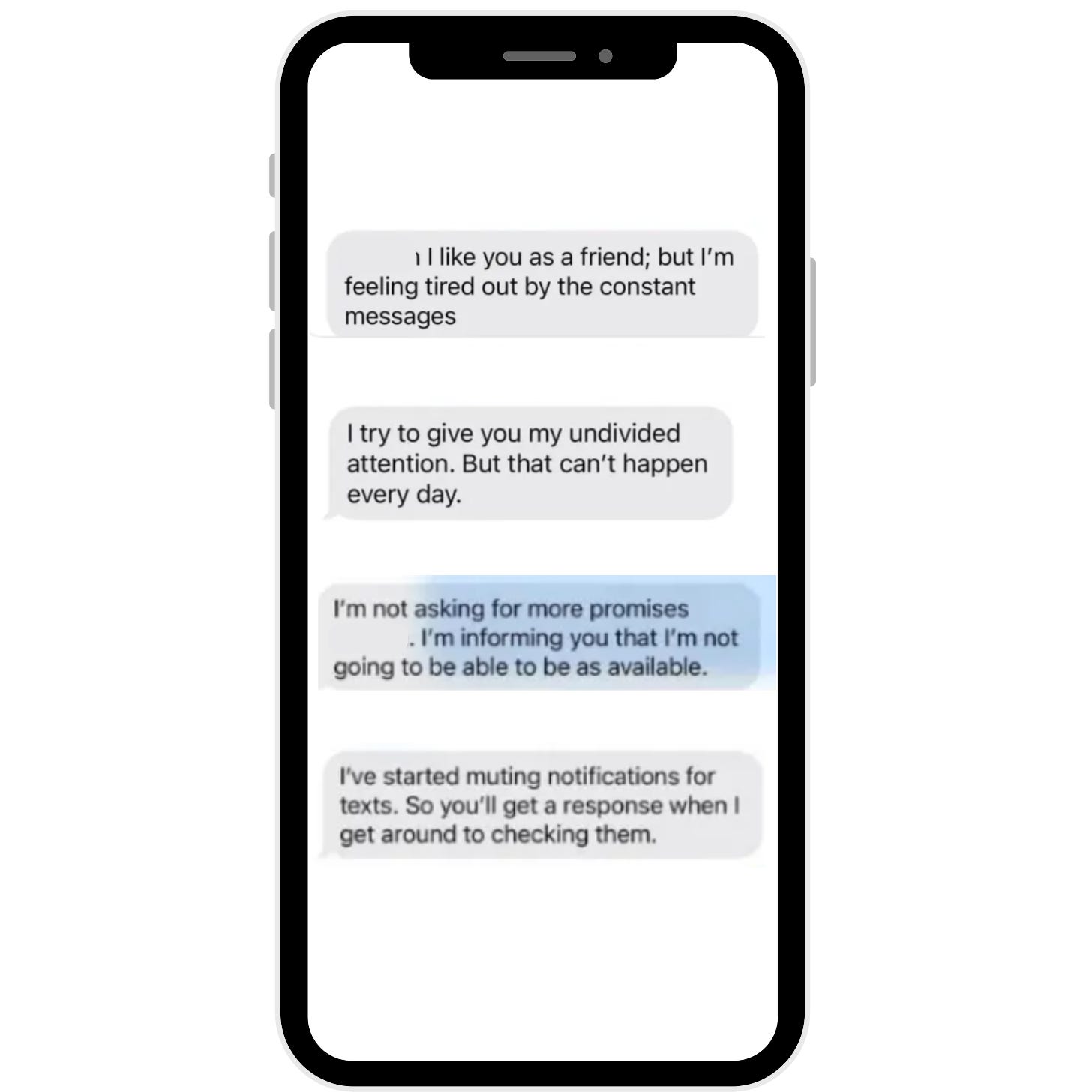
Here’s what happened: S and their roommate had this great dynamic while living together. You know the kind - where conversation flows naturally because you’re sharing the same space, same daily rhythms. But when the roommate moved out, everything changed. S tried to maintain that same level of connection through messages, but their former roommate… well, they set some pretty direct boundaries. And while boundaries are healthy, the way they were delivered? That’s rough. If you’ve ever wondered whether to distance yourself, ghost, or send the direct “I want to end this friendship message,” well… this situation is an example of that final option. Why Proximity Friendships Are So Special (And Hard to Lose)Proximity friendships are so special because you’re really doing life with someone. Whether that’s in a bunch of areas like a partner or roommate, or in one specific area - you know, the “work spouse” is a joke, but really it’s because you’re with that person 40+ hours a week going through the motions at work, that naturally will make you feel close. And it’s hard when that foundation shifts (roommate moves out, work spouse moves to a new company) because suddenly you go from passively giving people updates about your life as you go about your day - or them just witnessing all these moments - to having to actively fill them in. Catching people up takes a lot of effort when you have to continually do that. What It Takes to Bridge the DistanceIf you want to bridge the gap when proximity changes, you need to be really active about keeping those constant streams of updates going. Sending messages, voice memos, daily check-ins, regular FaceTime calls - whatever works. Just to set expectations - It’s still going to feel different than it was because you’re “telling them about your life” instead of them “witnessing your life.” The harsh reality: sometimes the transition happens and one friend doesn’t want to maintain the connection to the same level. If that mismatch exists, then the unfortunate truth is your friendship dynamic is probably going to change even more than it already has. You’ll probably move into being more of a historic friendship or past friendship where you aren’t actively living life together anymore. When to Keep Trying vs. When to Let GoI think a realistic expectation when trying to bridge new distance is to try your best, but you have to remember that this is a two-way street. If the other person doesn’t reciprocate - like in S’s story - then it’s time to move more into grieving that your friendship has changed versus trying to force it. In this situation, the boundaries the roommate set were actually healthy. They’d hit a point where they really didn’t want the friendship to continue the way it did. That’s rough, but sometimes that’s the reality. And I always get that question - “Do I let the friendship naturally fade or have a direct conversation and tell them I want the friendship to end?” This is an example of having that direct conversation, and honestly? It’s just a lot for somebody to take in, but it’s always an option. How do you know when to keep trying versus when to accept the shift? When you get a sense of what the other person wants. You can’t force someone to want the same thing, but if they seem on board to invest in the friendship, then keep trying. The Bigger PictureWhat can this teach us? Every friendship changes. It can move any direction on the Wheel of Connection. This one went from a present friend to more of a historic or past friendship, and that’s normal. People are moving around your Wheel of Connection all the time. I think it was reasonable for S to try to maintain some part of this friendship if the roommate had wanted It will never be exactly the same as being roommates because circumstances changed, but lots of people find other ways to stay close when they shift into a new life phase. You could build ways of connecting, test out other shared experiences, or lean into those constant updtes. There are even ways to deepen friendships after proximity changes, but that requires work from both people. As for processing the grief when a friendship changes form - because that’s real grief - I’m actually coming out with a full audio guide to help people navigate exactly that, so they feel less alone in it. More on that soon. Take This Further
Your TurnI’m curious - when you’ve had to transition a proximity friendship (roommate, coworker, neighbor), what worked? And what didn’t? Any tips for figuring out when it’s worth the effort vs. when to let it naturally fade? |

The Connection Cue
30 seconds to read. 5 minutes to implement. One small friendship action every week that compounds over time... and actually helps you build the friendships, community, and support system you've been craving.